

Fibreglass Pool Installation in Regional WA: Your Most Asked Questions, Answered
If you're at the stage of researching pools for your regional WA property, chances are you've spent a few late nights scrolling Instagram and a few weekends asking Google the same questions over and over. We get it. At Countrywide Pools, we've been installing fibreglass pools across rural and regional WA for more than 20 years out of our Northam base, and the same questions come up nearly every week. So we've pulled them all into one place.
Whether you're on a clay block out near Kellerberrin, a sloping lifestyle property in Toodyay, or a remote acreage somewhere between Northam and Kalgoorlie, the answers below cover what you actually need to know before committing to a fibreglass pool. Strap in - it’s a long one!
Why choose fibreglass over concrete or vinyl liner?
This is usually the first question. The short answer is that for regional WA, fibreglass wins on speed, durability, maintenance and overall value. Here's why.
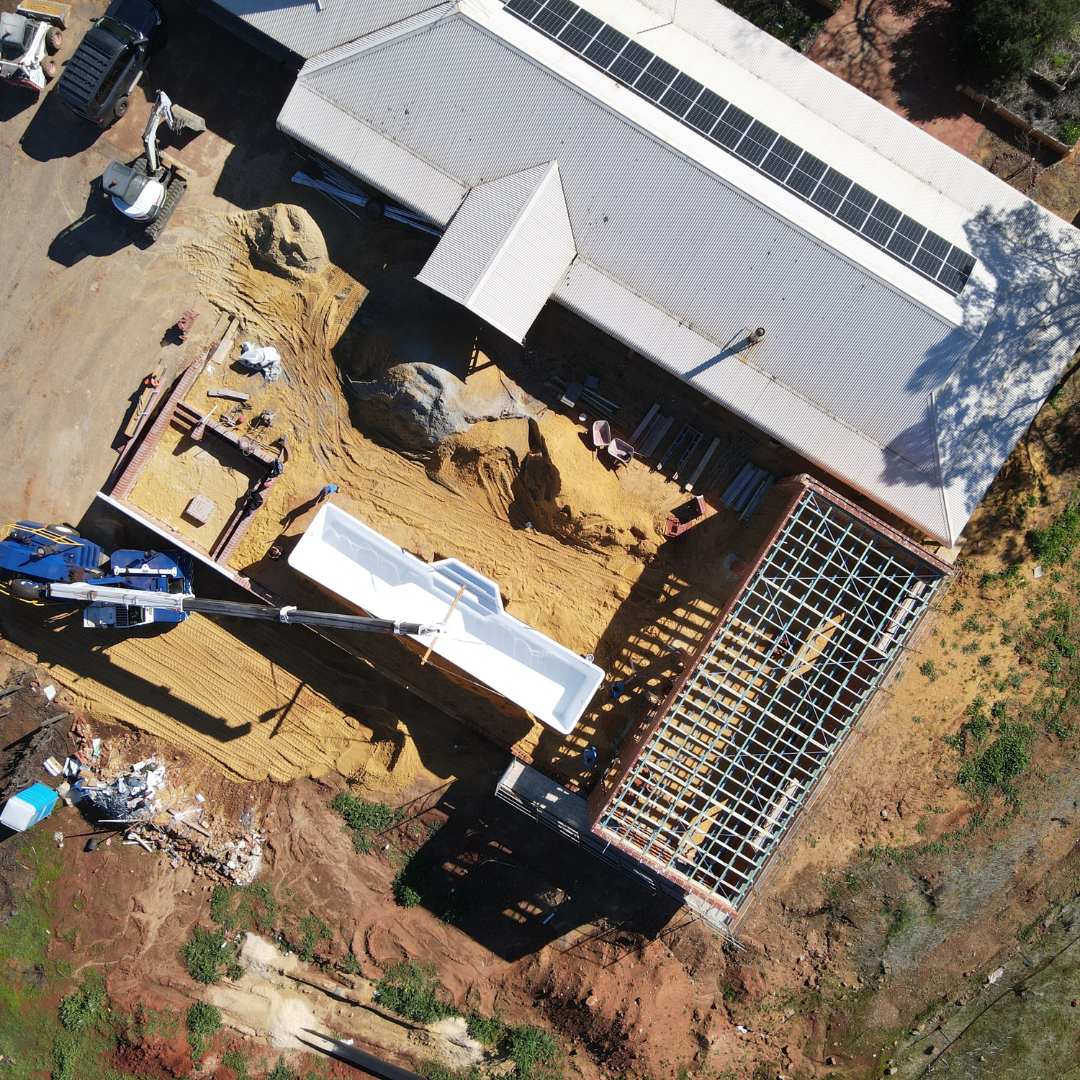
Fibreglass shells are factory-made under controlled conditions, then delivered to your site ready to install. That means quality control happens long before the shell ever turns up at your gate. Concrete pools, by comparison, are built on site over weeks or months, which means a lot more variables, a lot more trades through your property, and a lot more chances for things to go sideways.
A few of the practical advantages we explain to most of our customers:
• Speed of install. A fibreglass pool can be in the ground and full of water in 2 to 3 days. A concrete pool can take 3 to 6 months.
• Lower maintenance. The gelcoat surface is non-porous, so algae has nothing to cling to and you use less chemicals long term.
• Smoother surface. Kids' feet, dog paws, no scraped knees. Concrete pools have a textured interior that feels rough underfoot.
• Stronger structure. Modern shells from manufacturers like Barrier Reef Pools and Factory Pools Perth are built in multiple layers with vinyl ester resin and kevlar reinforcement. They flex with ground movement instead of cracking.
• Lifetime structural and interior warranties on the pool shells we install through our range, fully transferable if you ever sell the property.
Vinyl liner pools are cheaper upfront but you'll be replacing the liner every 5 to 10 years and dealing with more algae and chemical issues. For most rural buyers, the long-term cost of a fibreglass pool is the cleanest investment.
You can browse our full range of fibreglass pool models here to get a feel for what's available.
What shapes and sizes do fibreglass pools come in?
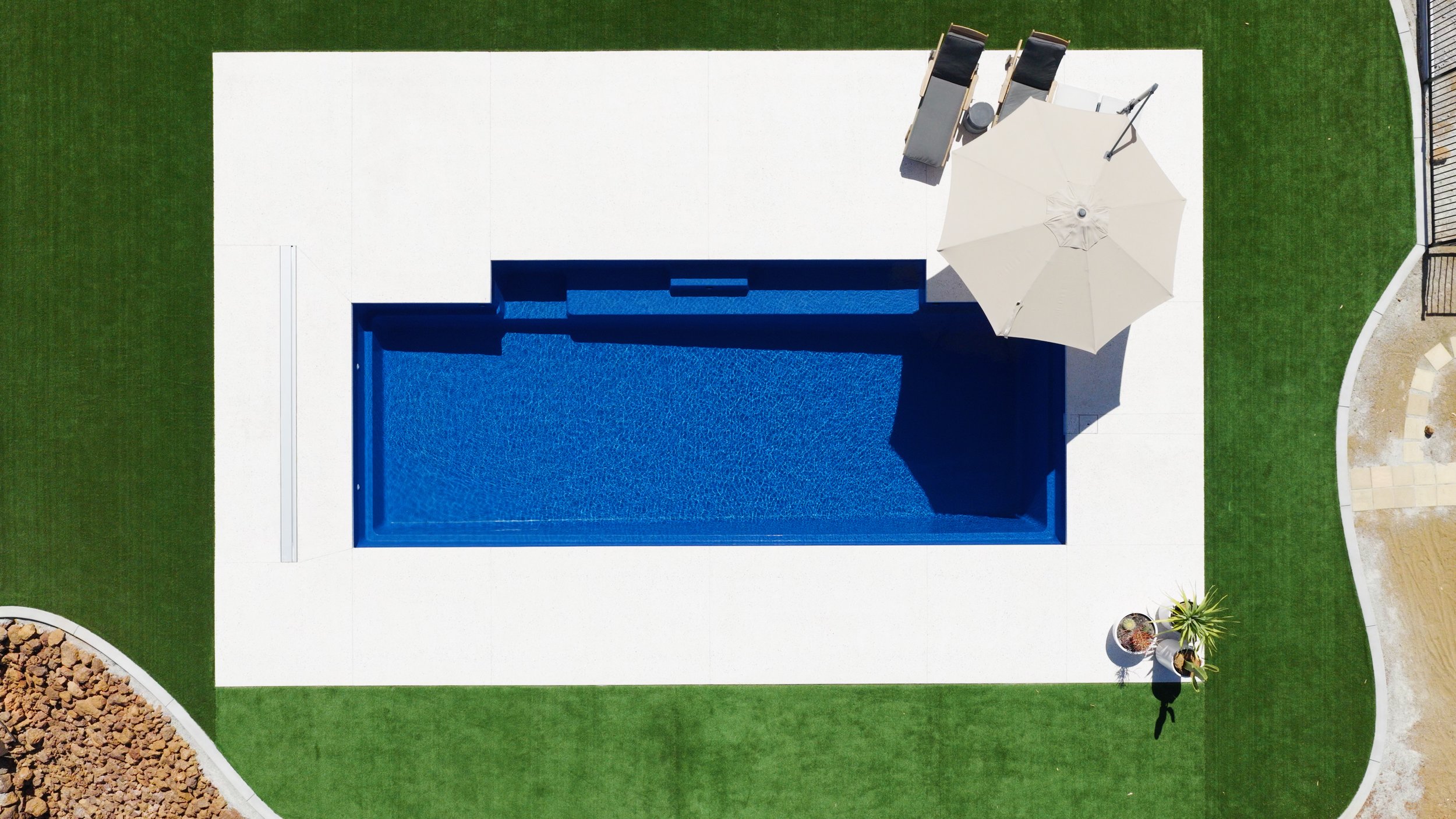
Plenty! We've got more than 60 models across our two manufacturer ranges (Barrier Reef Pools and Factory Pools Perth), covering pretty much every layout, length and depth you'd want.
As a rough guide, fibreglass pools generally range from:
• Plunge pools around 4m to 6m long, perfect for compact spaces or quick cool-offs.
• Family pools in the 7m to 9m range, the most popular size for acreage and rural homes.
• Lap pools from 10m up to around 12m for serious swimmers.
• Resort and entertainer pools with built-in swim-out platforms, spa combos, splash decks and tanning ledges.
Shape-wise you can pick from rectangular, freeform, kidney, Roman ends, geometric modern lines and wedge designs. The one limitation is width. Because the shells need to be transported on a truck from Perth to your site, there's a max width of around 4.7m. Beyond that, you're into custom concrete territory.
Depth options usually run from 1.2m shallow ends to around 2m at the deep end. Some models have flat-bottom designs with a uniform 1.4m depth, which is the most family-friendly setup if you've got young kids.
If you're trying to figure out what fits in your backyard, our pool planner tool lets you drop different models onto an aerial view of your property to see how they fit!
How is a fibreglass pool actually installed?
Most customers want to know what happens once the truck rolls down their driveway. The short version looks like this:
• Excavation. We mark out the dig and excavate to the right depth and shape for your pool model, allowing for the base layer underneath.
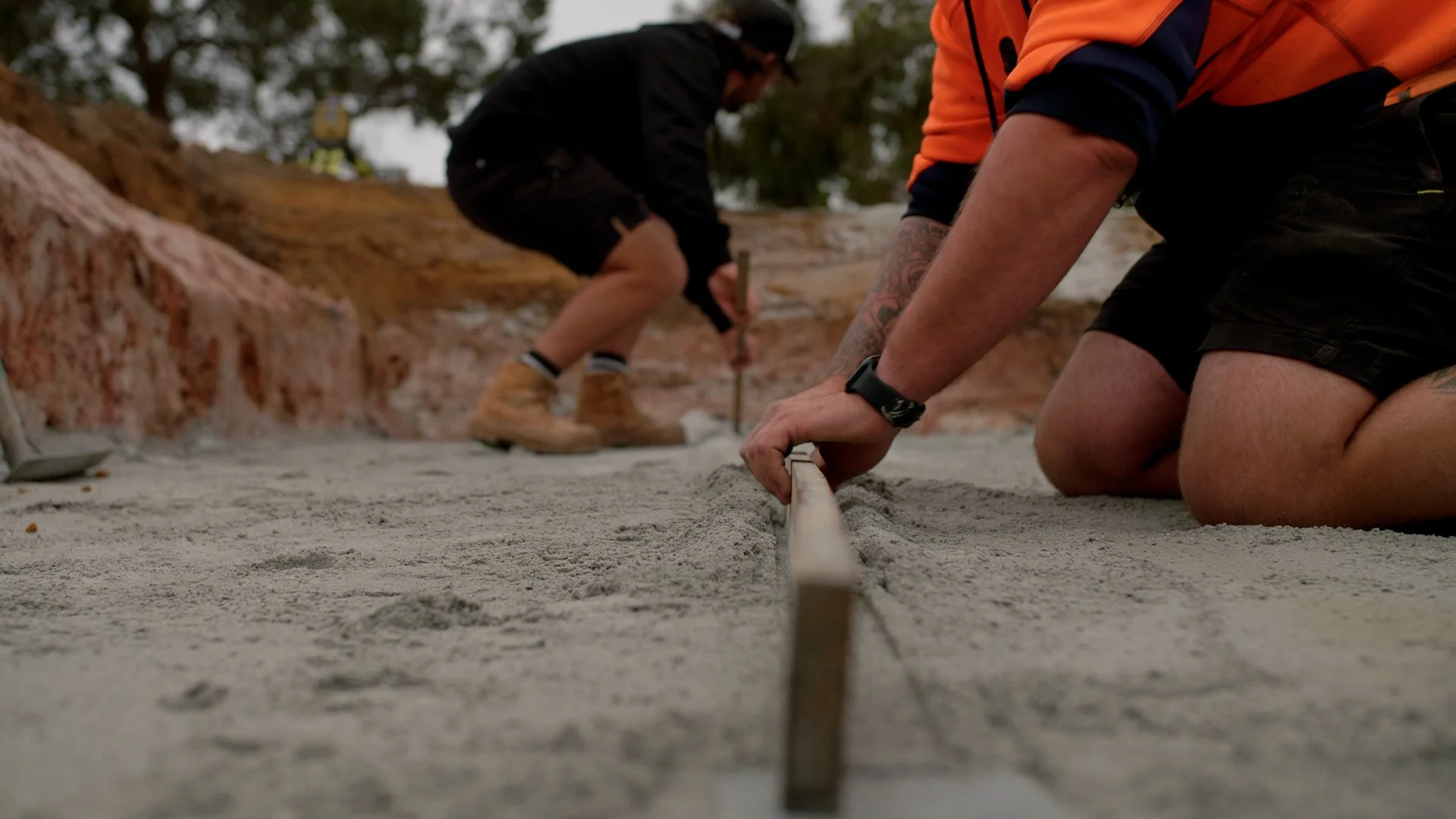
• Base prep. A properly levelled base is built up so the shell has a stable, perfectly flat foundation to sit on.
• Crane lift. A crane lifts the shell off the truck and into position, even on tight blocks or over a two-storey house if needed.
• Plumbing and backfill. Our crew plumbs the pool while backfill goes in around the shell and water goes in inside, keeping the pressure balanced as everything settles into place.
• Compaction and finishing. Everything gets compacted, the bond beam is poured around the perimeter, and the site is tidied ready for the next stages (paving, fencing, equipment hookup).
All up, the actual pool installation from dig to filled is typically 2 to 3 days for us. That's faster than most because we handle everything end-to-end in-house with our own crew and machinery, so there's no waiting on subcontractors to show up between stages.
Can I have a fibreglass pool if my backyard is small?
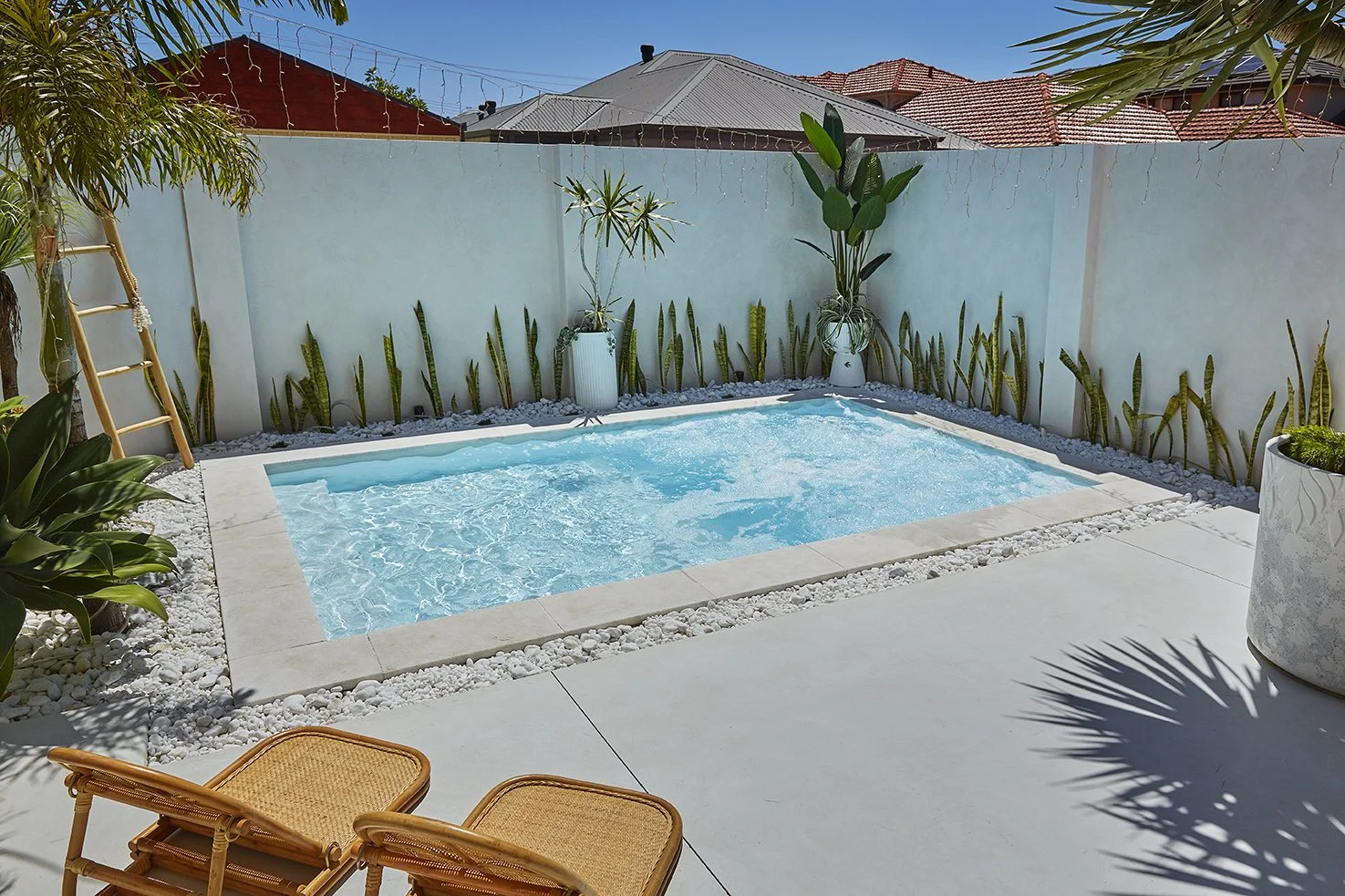
Yes, almost always. Smaller fibreglass pools have come a long way in the last decade and there are now genuinely good options for compact spaces. Plunge pools, splash pools and skinny lap pools can fit into surprisingly tight spots.
Access is usually more of a factor than backyard size. If we can get the crane positioned where it needs to be (which sometimes means lifting over the house instead of going around it), we can get a pool in. We've installed pools on plenty of tight blocks where the owners assumed it wasn't possible. The trick is getting the right person out to look at it. A proper site visit will tell you in 20 minutes what's achievable.
If your block is truly tiny, a spa combo or a small plunge model might be a better fit than a full pool. We'll be straight with you about what works and what doesn't.
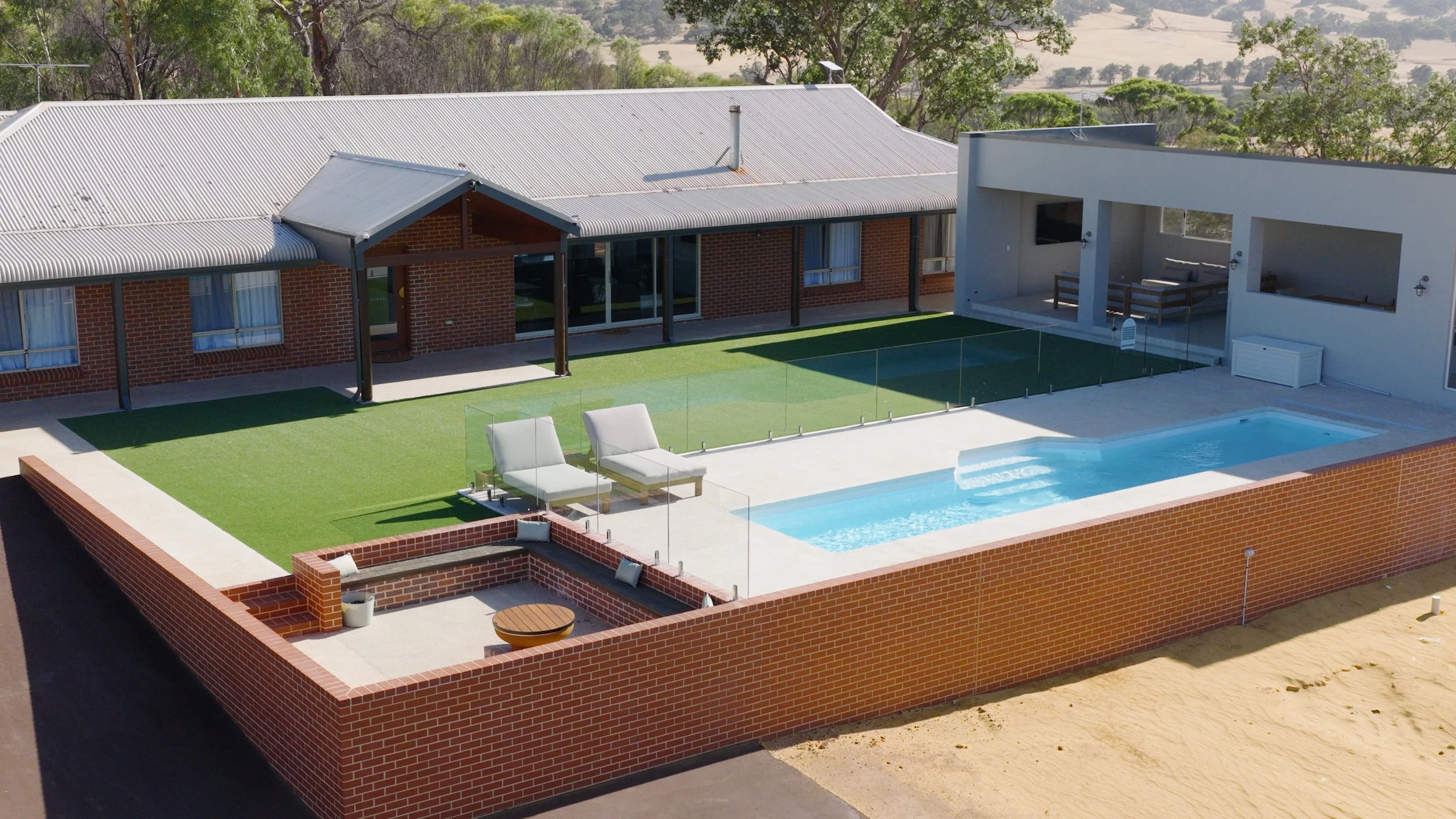
What if my backyard is sloping?
Sloping blocks are completely workable, and out in regional WA they're more common than flat ones. We deal with sloping sites regularly on lifestyle properties around Toodyay, the Avon Valley, and acreage blocks throughout the Wheatbelt and Great Southern.
There are three main ways to handle a slope:
• Cut and fill. We dig down on the high side and use the spoil to build up the low side, creating a level pool platform.
• Retaining walls. On steeper blocks we'll spec retaining walls around the pool area to create a flat usable space. Anything over 300mm of shell above natural ground level usually needs retaining.
• Above-ground or semi-inground installation. Fibreglass shells can be installed partially or fully above ground with the right structural setup, which can actually be a feature on a sloping rural site if you're after a raised pool with a deck or wet edge effect - although this is a more expensive option.
A site visit and a sloping-block-experienced builder will tell you which option suits best. This is one of those areas where the difference between a metro installer and a regional one really shows up. We see slopes, clay and reactive soil every week.
What about plumbing, electrical and accessory installation?
This is one of the most misunderstood parts of getting a pool, so here's the honest version.
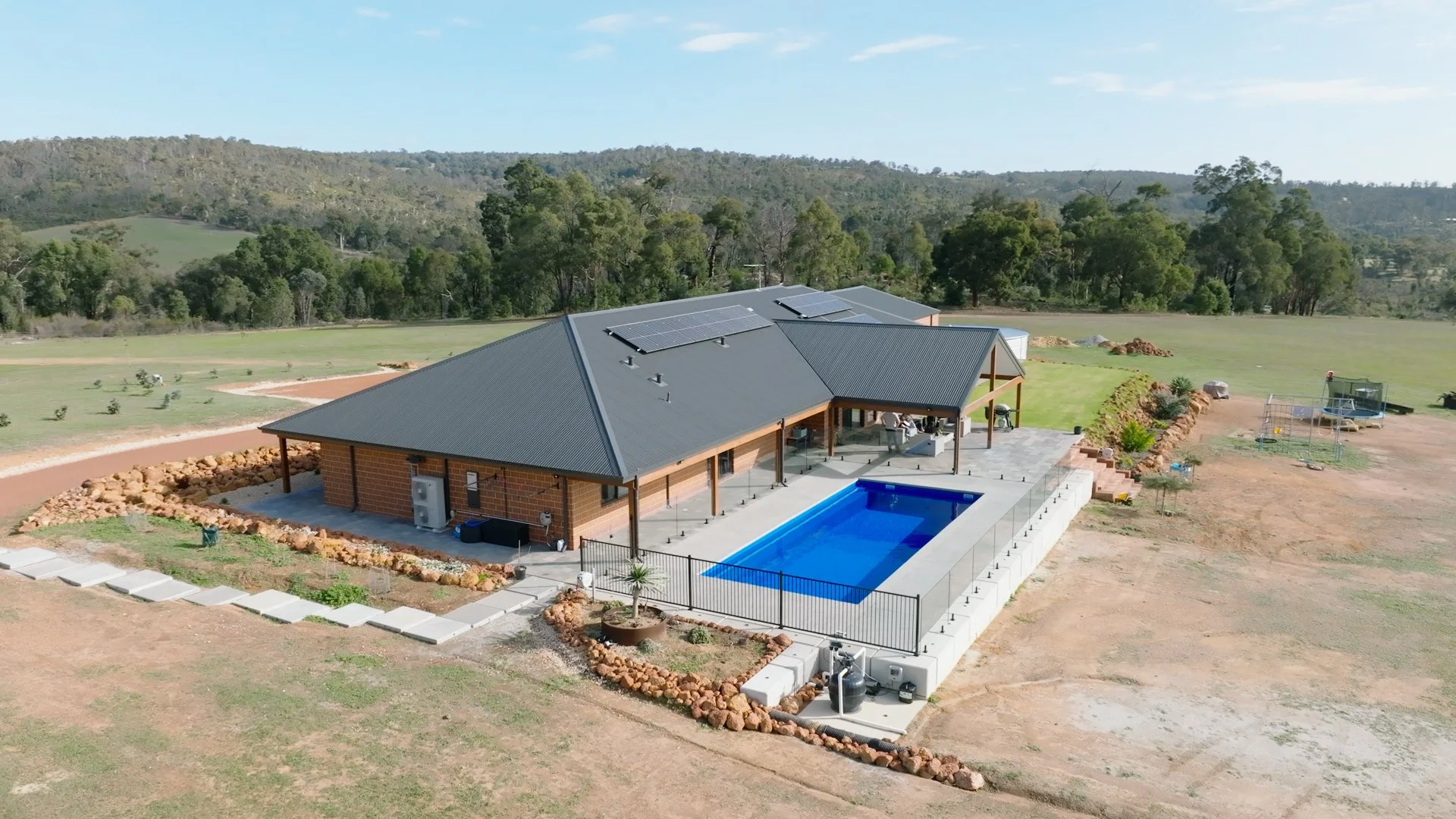
Plumbing: We handle all the pool plumbing in-house as part of the install. Skimmer line, return lines, suction line, equipment plumbing, the lot. By the time we leave site after the install week, the pool is plumbed, filled, balanced and circulating.
Electrical: We're not licensed electricians, so we don't do the electrical work ourselves. You'll need a sparky to come out and install power points at the location where the pool equipment will sit. We'll tell you exactly where that is and what you need. As a guide you’ll usually require a standard outdoor 10A general purpose outlet to run the filtration system. If you’ve got room, we recommend getting at least a double or quad powerpoint so you have room to plug in a robot cleaner or any other accessories. You may need a power upgrade if you opt for a heat pump but your sparky will be able to spec this properly once they know the heater model.
Get the electrical sorted before the pool is filled so there are no delays. We'll let you know the timing on this so you can book your sparky in at the right point.
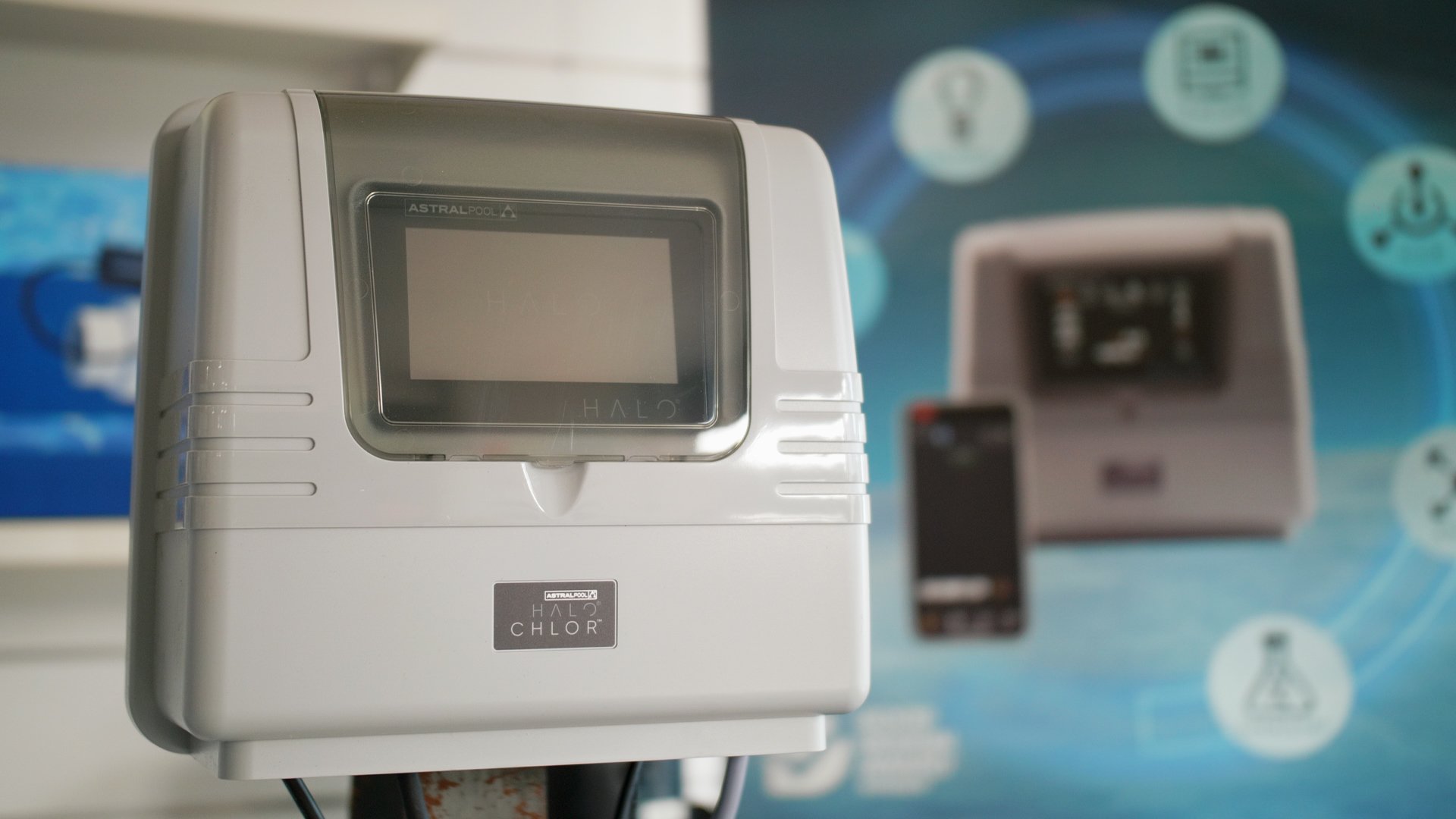
Pool equipment & accessories: Pumps, filters, chlorinators, automation systems, lights, heating, robotic cleaners and water testing equipment all get supplied and fitted by our team.
What type of water can I use in a fibreglass pool?
Both fresh water and salt water systems work in fibreglass pools. Saltwater is by far the more popular choice for regional WA installs, with some fresh water options sometimes causing issues with warranties on pool shells due to the way they sanitize the water.
Salt chlorination is gentler on the skin and eyes, requires less hands-on maintenance and tends to be cheaper to run long-term because the system generates its own chlorine from the salt in the water. For most rural families with kids and a property that gets actual use, saltwater is the easy pick.
Bore water, rainwater and mains water can all be used to fill a fibreglass pool, but the water needs to be tested and balanced properly before you start swimming. Bore water in particular often has high iron or mineral content that can stain the gelcoat if it isn't treated. We'll talk you through what to do based on your water source at your site visit, especially if you're filling from a bore.
Can a fibreglass pool be heated?
Yes. Heating extends your swimming season from a few summer months to most of the year, which is a popular option for our rural and Wheatbelt customers who want to actually use the pool through spring and autumn.
The most common options are:
• Solar pool heating (roof-mounted panels) is the cheapest to run but depends on sunlight, so performance dips through winter.
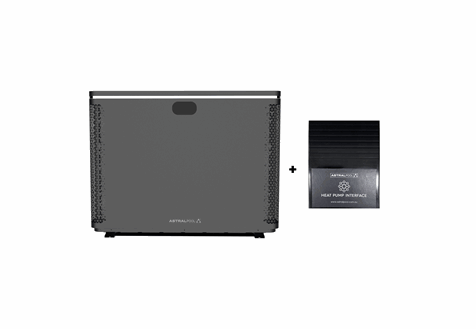
• Heat pumps are the most popular choice and the one that Countrywide Pools offers. They run on electricity and pull warmth from the surrounding air to heat the water. Efficient and quiet.
• Gas heating heats fast but is more expensive to run, so it's usually only used where gas is already on the property.
Important warranty note: fibreglass pools should be heated to a maximum of 28 degrees Celsius to keep the structural warranty in place. Heating beyond that can cause issues with the gelcoat over time, so all the heat pumps we recommend can be capped at that temperature. We talk this through at quote stage so the heating you spec matches the warranty requirements from day one.
What about clay sites, rocky ground or reactive soil?
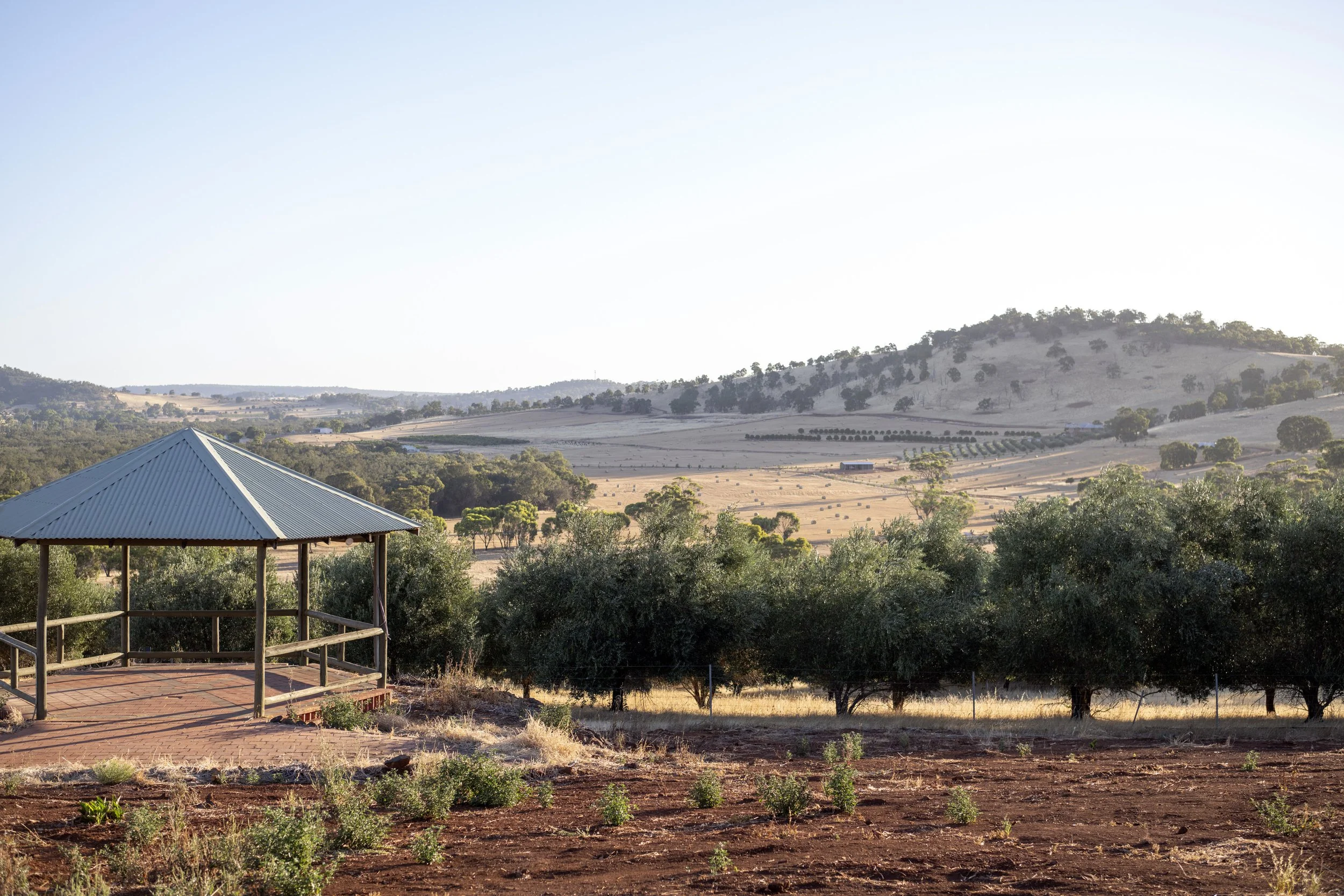
A lot of regional WA sits on reactive clay, particularly through the Wheatbelt around Northam, Kellerberrin, Quairading and out towards Merredin. Clay shrinks and swells with moisture, which can cause issues for any in-ground structure if it isn't dealt with properly.
This is one of the areas where we earn our keep. We assume regional soil conditions in our quoting by default rather than quoting on the optimistic metro assumption of a clean sandy dig. That's why we run excavator digs as standard rather than bobcat digs. It's why our quotes account for transport, machinery upgrades, rock if we hit it, and the realities of regional access. We see clay and rock every week, so we know what to allow for.
If you're sitting on heavy clay, granite or sloping reactive ground, we'll design the dig and backfill approach to suit. The Australian Standard for fibreglass pool installation (AS 1839:2021) sets specific requirements for reactive clay sites, and we install to those standards as a minimum.
How much does a fibreglass pool cost in regional WA?
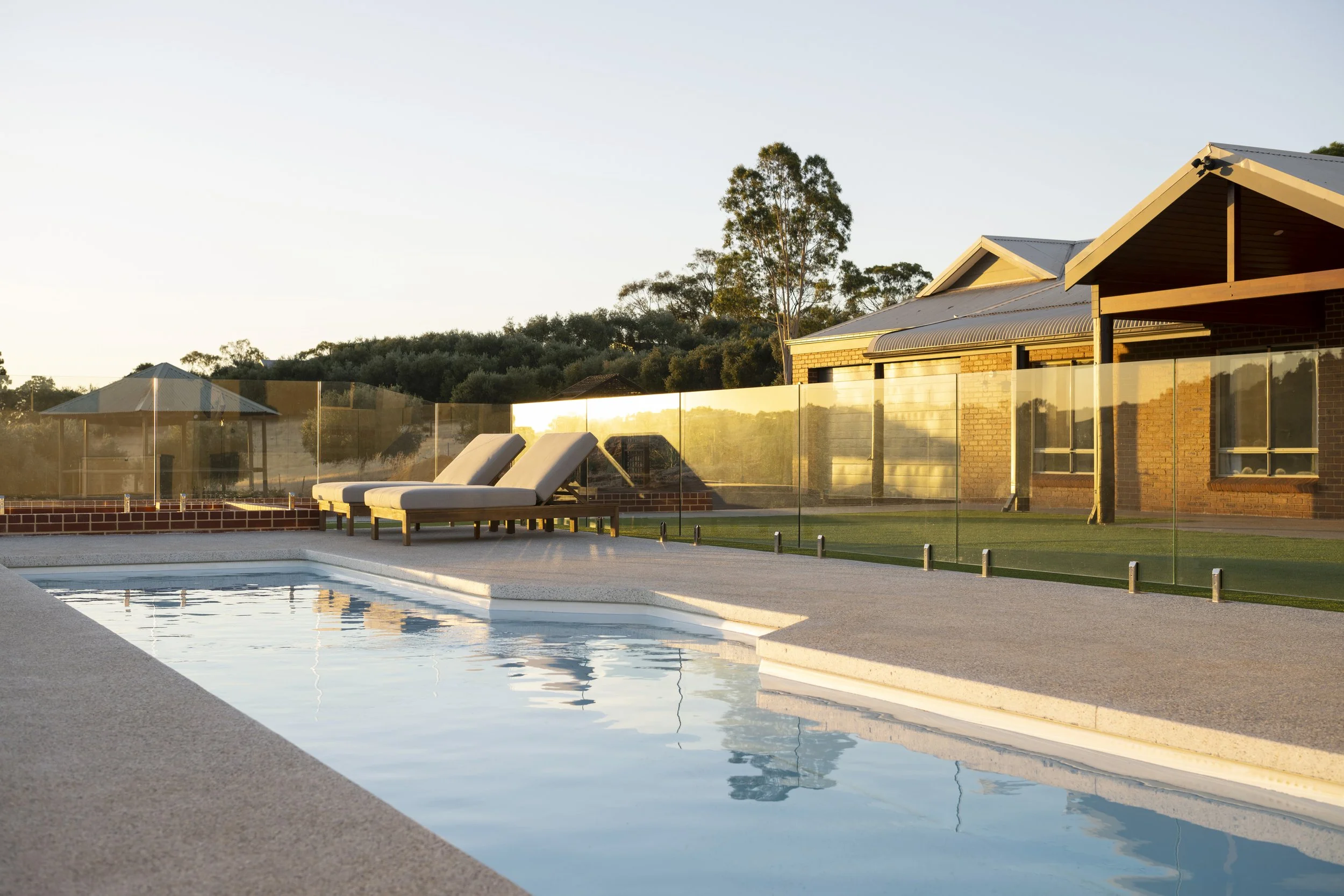
You can read our full blog on this here. But, honest answer: the pool shell itself is only part of the cost. A typical full fibreglass pool installation in regional WA, fully done and ready to swim, sits somewhere between $50,000 and $120,000 depending on the size, model, your site conditions, and the finishing work you go with.
Things that affect price the most:
• Pool model and size (a 4m plunge is very different to a 10m lap pool)
• Site access and excavation conditions
• Distance from Northam and transport requirements
• Whether your site needs retaining or extensive earthworks
• Heating, automation and accessory choices
• Paving, coping and fencing finishes
The thing to watch for when comparing quotes is whether the metro quote actually allows for regional realities. A lot don't. We quote upfront with the real-world allowances in place so what you sign at the start is what you pay at the end, rather than discovering a list of "+ + +" extras halfway through the job. We've written more on this if you want a fuller breakdown of why country pool quotes differ from city ones.
Do I need a council permit for a pool?
Short answer: most likely yes, but it depends on where your block sits.
If you're in a townsite (so within the gazetted town boundaries of somewhere like Northam, York, Narrogin, Merredin or Kalgoorlie), you'll almost always need a building permit and full compliance with WA pool fencing regulations. That's standard for any pool installation.
If you're on a farm or rural-zoned property outside the townsite, the rules can be different. A fibreglass pool is technically a Class 10b structure under the Building Code, and certain rural localities don't require a building permit for Class 10b structures on rural-zoned land. Pool fencing requirements still apply regardless. Every shire is slightly different though, so the only way to know for sure is to check with your specific shire.
The good news is you don't need to figure any of this out yourself. We handle the entire approval process for you, including shire submissions, BA forms, engineering and compliance paperwork. We've worked with shires right across regional WA and we know what each one needs.

Should I use a SPASA-accredited pool builder?
It's worth looking for, yes. SPASA (the Swimming Pool and Spa Association of Australia) is the industry body that sets standards for pool builders. SPASA members commit to a code of ethics, ongoing training and consumer protection standards that non-members aren't held to.
What it tells you in practice:
• The builder is held to an industry standard, not just self-regulated
• There's a complaints and dispute resolution process available if something goes wrong
• Builders eligible for SPASA awards have been independently judged on workmanship and customer service
• It's generally a sign the builder isn't a fly-by-night operator
Countrywide Pools has been a SPASA member for years and our installations have picked up more than 60 SPASA awards across state and national levels in the last three years alone, including recognition for workmanship, customer service and rural project complexity. It's one of the few independent measures you can use to compare builders on something other than price.
Why choose Countrywide Pools for regional WA installs?
We're a family business based in Northam, and we've been doing pools across regional WA since 2002. From the original Hubble family who started the business through to Nick and Kirsty running it today, the focus has stayed the same: do regional installs properly, communicate clearly, and stand behind the work.
What that looks like in practice:
• Our own in-house excavation, transport and installation crew rather than subcontracting it out
• A fleet built specifically for regional installs (10T and 5T excavators, bobcat, ditch witch, rock breaker, plus our own transport)
• Servicing from Exmouth to Esperance, covering most of regional WA outside the metro and South West areas already covered by local dealers
• Award-winning installations with more than 60 industry awards in the last three years
• Realistic quoting that allows for the reality of country sites, not the optimism of metro ones
If you want a feel for how we work, our why choose us page covers the business story properly.
Thinking about a pool on your regional WA property?
We'll come out, walk the site, and put together a proper quote that actually accounts for your block, your access and your soil. No surprises, no "+ + +" extras halfway through the job. Just an honest plan from Western Australia's regional fibreglass pool specialists.
Frequently asked questions
How long do fibreglass pools last?
A well-installed fibreglass pool with proper water balance and care will last 50+ years structurally. The shells we install come with lifetime structural and interior warranties from Barrier Reef Pools and Factory Pools Perth, both of which hold the Australian Standards 5-Tick Product Certification.
Can a fibreglass pool be installed above ground?
Yes. Fibreglass shells can be installed fully in-ground, semi-inground or fully above ground with the right structural setup. Above-ground or semi-inground installs are often a great fit for sloping rural blocks where the design becomes a feature rather than something to hide.
Will a fibreglass pool crack or shift over time?
Not when it's installed properly. A correctly installed shell with the right base prep, backfill and water level will stay put for decades, even on less-than-ideal soil. Modern shells are built with kevlar coping and multi-layered vinyl ester resin specifically to flex with ground movement instead of cracking like older concrete pools.
Can I lift a fibreglass pool over my house?
Yes, regularly. Crane lifts over single-storey and two-storey homes are normal practice. The crane size and reach get spec'd at quote stage based on your block layout, power lines, trees and lift distance. We've yet to find a backyard we can't get a pool into.
How far does Countrywide Pools travel for installs?
Right across regional WA from Exmouth down to Esperance, including the Wheatbelt, Goldfields, Great Southern, Mid West (outside Geraldton metro), Pilbara and Kimberley. We don't service Perth metro, Geraldton metro or the South West corridor (Mandurah, Bunbury, Busselton, Dunsborough, Margaret River, Augusta) because those areas have existing local dealers.